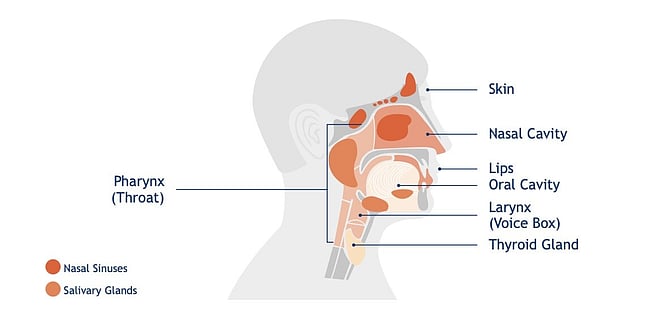
We all unfortunately know someone affected by cancer. Head and neck cancer is a reality for some and the cancer itself and the subsequent treatment, can be challenging for both patient and practitioner. Ofcourse in the modern world we are lucky to have treatment for cancer. Unfortunately there are some unwanted side effects, and we as dental and oral health clinicians can help support patients going through this.
Radiation and chemotherapy cause stomatitis (inflammation) of the mucous membranes (oral tissues) which can be very sore, making every day functions like swallowing and eating difficult at times. Radiation can damage salivary glands which may lead to significantly less saliva, causing symptoms of dry mouth and making the patient more susceptible to decay.
Let's talk about different ways to help with all of the above. It can be a bit of trial and error when it comes to finding a product that works for you.
Below are links to some very useful resources. This is from the MASCC (Multinational Association of Supportive Care in Cancer).
PLEASE read as this is handy for tips on dysphagia (difficulty swallowing), tube feeding advice, diet advice, oral advice and skincare advice.
https://mascc.org/resources/oral-care-patient-education/
https://mascc.org/wp-content/uploads/2022/04/en_head_neck_beforeradiation.pdf
https://mascc.org/wp-content/uploads/2022/04/en_head_neck_duringradiation.pdf
https://mascc.org/wp-content/uploads/2022/04/en_head_neck_afterradiation.pdf
https://mascc.org/wp-content/uploads/2022/04/englishuk_head_neck_activechemo.pdf
Before Radiation Treatment
You must see a dentist before treatment. Usually this is part of the oncology team's request and you will be usually seen by the hospital dental team before treatment begins.
After extractions
Before radiation treatment, the patient may have to have teeth removed. This is to prevent serious complications. The oncology team and hospital dentist will decide which ones need to be removed.
After-care includes rest, gentle salt water rinses (I like to say 'bathe') as you do not want to disrupt the blood clot. It is a good idea to use chlorhexidine 0.2% such as 'Curasept ADS 212 or the 220' or 'Savacol (alcohol free) to aid healing.
Keep up good nutrition - smoothies are excellent here. Add spinach, seeds (flaxseeds,d pumpkin seeds etc. ) oats, protein powder, frozen fruit, protein powder and greek yoghurt.
During radiation treatment
Your tissues may be sore, BUT we still need to take care of your teeth. You can make changes to your toothbrush and toothpaste.
Toothpaste, use a SLS free one Curaprox perioplus or Sensodyne repair and protect.
Also, the use of Toothmousse PLUS daily for prevention of decay and helps lubricate the mouth for dry mouth. After brushing place a pea shape on your finger and run it along your teeth depositing the toothmousse on the tooth surface. Leave in place do NOT rinse off.
Use an extra soft toothbrush such as curaprox surgical as your mouth might be sore during treatment but you still need to brush.
To help with those sore tissues, you could try olive oil or use of bicarbonate mouthwash.
Olive oil can help coat and soothe oral tissues and reduce the severity and delay the onset of mouth sores. It functions as a topical application.
How to Prepare and Use:
Ingredients: 100% extra virgin olive oil.
Method of Application (This is for Topical Swabbing):
Perform your standard oral hygiene routine as recommended by your medical team.
Use a clean, disposable sponge on a stick (or a soft, clean cloth/finger if approved by your medical team).
Dip the applicator into the olive oil.
Gently swab all oral tissues, including the tongue, inner cheeks, lips, palate, and floor of the mouth. Focus on any existing ulcers or inflamed areas.
Do this approximately two to four times daily, or as advised by your healthcare provider.
Avoid eating or drinking for at least 30-60 minutes after application to allow the oil to adhere to the mucosal tissues and form a protective barrier.
Store the main bottle of olive oil in a cool, dark location.
*could think of using flavouring here? Some water drops that you like the taste of?
Another olive oil option, using in a small spray bottle with some type of flavouring (water drops?) spray around the mouth at any-time.
Bicarbonate (Mouthwash) rinses are the most commonly used and have a good track record for stomatitis.
The following is the formula for the mouth rinses:
1. Mix 1 teaspoon of baking soda and 1 teaspoon of salt with 4 cups of water.
shake well before using.
rinse and gargle with one tablespoon (15 mL) and then spit out.
repeat 2 or 3 times at each use.
use mouthwash every 2 hours during the day.
put the mouthwash in a container with a lid.
the mouthwash should be kept at room temperature.
discard at the end of each day and make a new batch.
*could think of using flavouring here? Some water drops that you like the taste of?
Biotene mouthrinse are good for dry mouth.
Oral 7 mouth gel for symptoms of dry mouth. Provides salivary enzyme enhancement.
After Radiation treatment
You are going to be more susceptible to dental caries (radiation decay) and may have lost some teeth so these teeth are precious! Here is some information on products we can use to help stop decay. you also may have symptoms of dry mouth.
Xylitol lozenges/mints/chewing gum. Will help prevent decay. Xylitol inhibits bacteria that cause caries. Will also hopefully stimulate some saliva flow too.
Neutrafluor toothpaste (extra high fluoride). Use a pea-size on toothbrush. Spit no rinse. Use to help stop decay
Neutrafluor Mouth rinse (alcohol free) a high fluoride rinse to help stop decay.
Biotene mouthrinse are good for dry mouth.
Oral 7 mouth gel for symptoms of dry mouth. Provides salivary enzyme enhancement.
Most importantly make Regular visits to the dentist and dental hygienist and follow their advice .