Before pregnancy
Preparing for pregnancy
Ideally woman that plan to get pregnant should make it a priority to have all major dental treatment completed before getting pregnant. This provides peace of mind for all.
Good oral hygiene ensures that you are less likely to have dental problems during your pregnancy. However, rest assure because routine and emergency treatment CAN be carried out during pregnancy (ideally second trimester if possible). We don’t want our pregnant women to miss out on the care that they need.
During pregnancy
Oral physiological changes
When you are pregnant there are some major hormonal changes that occur and these can affect your mouth.
Morning sickness: If you experience vomiting during pregnancy, it’s important not to brush your teeth immediately afterward. The stomach acid temporarily softens tooth enamel, and brushing right away can cause abrasive damage.
Instead, try these gentler options:
- Rinse with water or milk to neutralize acids
- Apply a remineralizing product such as Tooth Mousse to help restore minerals to the enamel.
-Eat neutralizing foods like cheese, yoghurt, or a small amount of plain milk.
After about 30 minutes, it’s safe to gently brush with a soft-bristled toothbrush with at least 1000ppm fluoridated toothpaste.
Snacking: Because of the nausea you are more likely to be eating small amounts of food, very often. If this food is cariogenic food (i.e. sugar/carbohydrate) then you are going to be more at risk of decay. If you can, try snack on something like cheese, nuts, yoghurt, low-sugar crackers etc.
Cravings: You can have cravings and these can be of foods that cause decay in your mouth. Be mindful of your diet and make changes if possible.
Gum issues such as gingivitis and periodontal disease: You have more hormones accumulating in the gingival (gum) tissues and there is an increased response to plaque resulting in swelling, bleeding and redness in your gums. There is evidence that periodontal disease can progress during pregnancy. You can help control this with good oral hygiene habits at home and also professional cleaning with the dental hygienist. Smoking cessation is important to prevent periodontal disease.
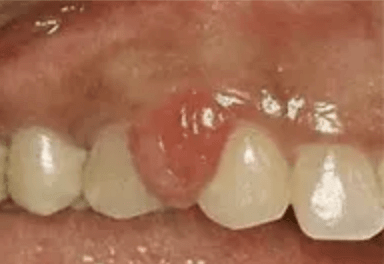
Pyogenic granuloma: Pregnant woman sometimes develop a ‘pyogenic granuloma’ which is a excessive growth of gum tissue. These can be found in 5% of pregnant woman. Smaller lesions can regress with more particular oral hygiene measures but some larger ones may increase in size or become painful and will need to be removed. Meticulous oral hygiene reduces the risk of these forming.
Why it is important to look after your gum health:
· More research is needed however, periodontal disease could be associated with pre-term birth
·There have been studies showing that woman with periodontal disease had a higher risk of developing pre-eclampsia
· An association exists between gestational diabetes and periodontal disease
·More research is needed however, a study exists that has shown in-utero exposure to oral pathogens increases the risk of admission to a neonatal intensive care unit
When you visit the dentist and hygienist there are some things that you need to know:
Radiology
Fear of dental radiography is generally misplaced. A dental radiograph results in foetal radiation of 0.0001 rads. This is vanishingly low. There is no need to defer dental imaging, especially as it can prevent adverse outcomes such as a sepsis due to a dental abscess. We will use the appropriate precautions such as a lead apron and the use of collimation.
Local anaesthetic
Is safe to use in pregnancy.
Pain relief and antibiotics
NSAIDs (such as Nurofen) should be avoided. Paracetamol is the pain relief that is recommended.
Positioning
If you are 28 weeks onwards, when you come to the dentist you may find positioning yourself with a rolled up towel to make a slight tilt to the left side (if possible) will help keep you comfortable. This prevents the foetus positioning itself on top of the vena cava (blood vessel).
After baby
Post-natal advice
Your baby’s oral health: when your oral health is well maintained, your mouth harbours healthy, beneficial bacteria. After birth, these healthy bacteria are what help colonize your baby’s mouth, forming the foundation of their own oral microbiome. Conversely, if gum disease-causing bacteria (gram-negative and periodontal pathogens) dominate, they can be passed to your baby during cuddling, feeding, or kissing — setting the stage for potential oral health issues later in life.
High caries risk period: There is an old wives tail out there ‘tooth for each child’. This is a misconception, but there is some truth. Being mums ourselves, we know how sometimes you don’t shower till lunchtime and you’ve missed that morning brushing session and sometimes you are so tired so don’t even want to brush your teeth at night. But you cannot afford to miss that morning and night brushing session. And don’t rush it. You deserve to take that two minutes to brush your teeth and floss your teeth.
Snacking: You may not realise, but you are often snacking. You may not get time to sit down for a meal. You may be finishing off your toddlers snacks. But stop and think about your eating habits as snacking will lead to more risk of decay. Try and organise what you will be eating for your staple meals and have healthy snacks on hand.
Stay hydrated: You might be breastfeeding which requires a lot of hydration. You don’t want to end up with a dry mouth which will increase your susceptibility to decay. Also, there is a lot of ‘noise’ around electrolytes now. Make sure yours are sugar free and be careful, electrolytes will be acidic and can cause damage to your teeth.
Reference:
Leonie Callaway, Professor of medicine at University of Queensland. Article in ‘Risk-wise’ Dentistry and Pregnancy.
NZDA Pregnancy https://www.nzda.org.nz/public/your-oral-health/pregnancy
The university of Adelaide in association with Colgate. Oral Health in Pregnancy.